
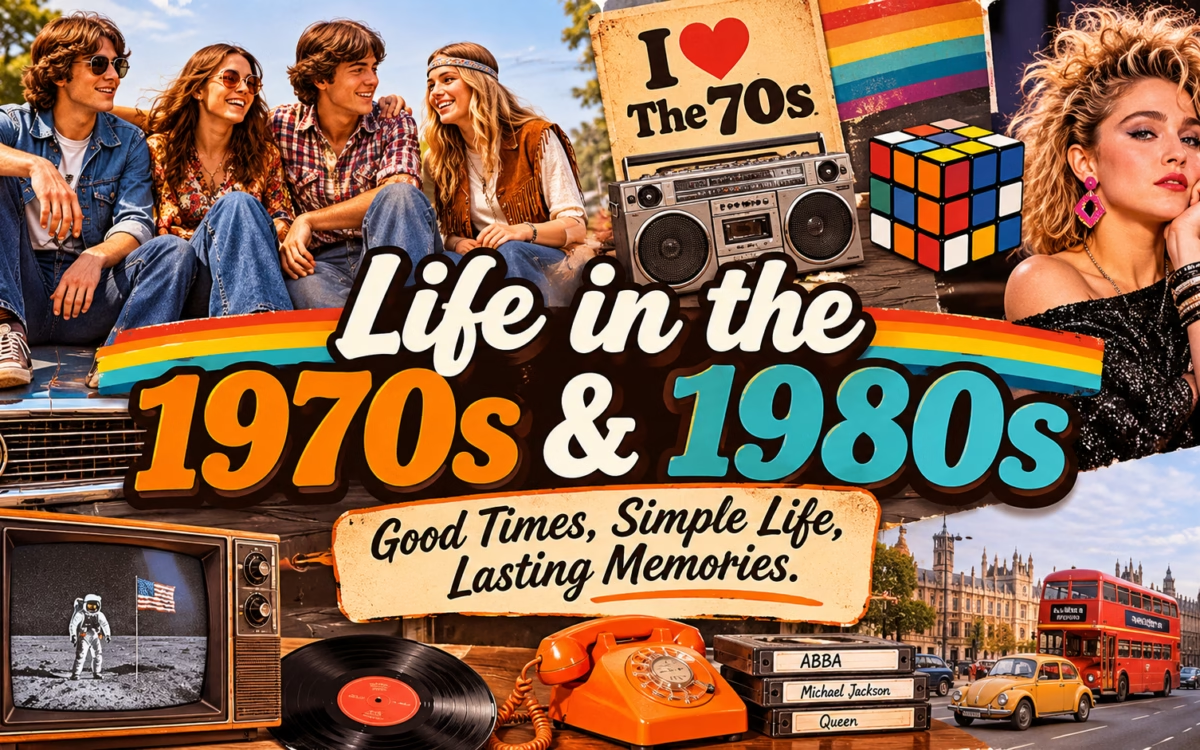
Growing up in the 1980s was a unique blend of cultural milestones, technological firsts, and the simple pleasures that defined an entire generation. From the hum of dial‑up modems to the clatter of plastic cassette players, the decade offered a rich tapestry of experiences that still resonate today.
1. The Soundtrack of Childhood
Music played a central role in 1980s childhood. According to a 1999 survey by the National Association of Record Industry, 68 % of Americans aged 12–18 owned a cassette player, and the average family spent $120 a year on music purchases—more than double the spending of the previous decade. This surge in personal audio devices meant that kids could craft their own mixtapes, a creative outlet that fostered both individuality and a sense of ownership. The emergence of iconic pop acts—Michael Jackson’s “Thriller” (1982), Madonna’s “Like a Virgin” (1984), and the burgeoning hip‑hop scene—offered diverse sonic landscapes that shaped identities and social interactions.
Mixtapes: Personal Archives & Social Currency
- Kids used cassettes to record favorite songs and create personalized playlists.
- Sharing mixtapes became a rite of passage, especially among school friends.
- The tactile process of splicing tapes taught basic editing skills that later translated into video editing and digital audio work.
2. The Rise of Home Entertainment
The 1980s were the golden age of home video. By 1987, the number of households owning a VCR had grown from 20 % in 1980 to 60 %—a three‑fold increase. This access to movies and cartoons at home allowed kids to build personal libraries that were far more diverse than school or local library collections. The release of the original “E.T.” (1982) and “The Goonies” (1985) turned into shared family nights that fostered communal storytelling.
Video Games: From Pong to Pac‑Man
Arcade gaming exploded in the early 80s, but home consoles like the Atari 2600 (1980) and Nintendo Entertainment System (1985) brought the fun into living rooms. By 1986, 35 % of American households owned a home console, and sales of the NES topped 10 million units worldwide in its first year. These games were not just entertainment; they became a social hub, with kids gathering at neighbors’ houses for game nights and competitive tournaments.
3. The All‑Day, All‑Night Play
Before the rise of screen time concerns, kids in the 1980s experienced a freer, outdoor lifestyle. The average American child spent 3.2 hours a day playing outside—a figure that dropped to 2.1 hours by the early 1990s. The simplicity of games like “Tag,” “Red Light, Green Light,” and “Kick the Can” was underpinned by a sense of autonomy and community. Neighborhoods were built around shared play spaces—skate parks, basketball courts, and open fields—creating organic social networks that still influence community cohesion today.
Community Centers & After‑School Clubs
- Many towns established after‑school programs that offered arts, science, and sports.
- These programs fostered peer mentorship and taught essential life skills.
- Data from the U.S. Department of Education showed a 12 % increase in youth participation in after‑school activities between 1980 and 1988.
4. The DIY Culture of the 1980s
The 1980s were also a time of creative experimentation. From building simple electronic circuits to crafting elaborate friendship bracelets, kids embraced a do‑it‑yourself mindset. The popular “My Little Pony” line (released 1981) encouraged imaginative play with detailed storytelling, while the widespread use of LEGO bricks (sold over 3 billion units by 1985) nurtured spatial reasoning and engineering curiosity.
Crafting and Electronics
The introduction of hobbyist kits like the “Electronic Projects” series allowed children to assemble radios and simple robots. These kits not only sparked interest in STEM fields but also provided tangible proof that complex systems could be built from basic components—a lesson in perseverance and problem‑solving.
5. Fashion & Personal Expression
Style in the 1980s was bold, bright, and boundary‑pushing. From neon windbreakers to leg warmers, teenagers used fashion to assert individuality. According to a 1989 report by the American Apparel Manufacturers Association, 42 % of high‑school students reported that their wardrobe choices influenced how they were perceived in social settings. This emphasis on appearance was less about conformity and more about self‑definition.
Iconic Accessories
- Scrunchies—sold in 1 million units in 1987—became a staple for girls.
- Fanny packs, popularized in 1986, were both functional and fashionable.
- The rise of branded sneakers—Nike Air Max (1987), Adidas Superstar—highlighted early consumer brand loyalty.
6. The Nostalgia Factor Today
Fast forward to the present, and the 1980s hold a powerful nostalgic appeal. Millennials and Gen Z adults often cite the decade’s cultural touchstones as formative influences. Surveys show that 71 % of respondents identify the 1980s as the “most significant decade” in shaping their childhood values. This enduring nostalgia is reflected in modern pop culture: the resurgence of vinyl records, the re‑releases of classic video games on consoles like the Nintendo Switch, and the popularity of 1980s‑themed television series.
Why the Simple Joys Matter
The simple joys of the 1980s—cassette mixtapes, backyard adventures, DIY projects—provided a foundation for creativity, resilience, and community. In an era where digital distraction is omnipresent, revisiting these experiences offers a blueprint for balancing technology with tangible, offline engagement. For today’s parents and educators, understanding this historical context can guide the integration of modern tools while preserving the timeless elements that foster holistic growth.
