
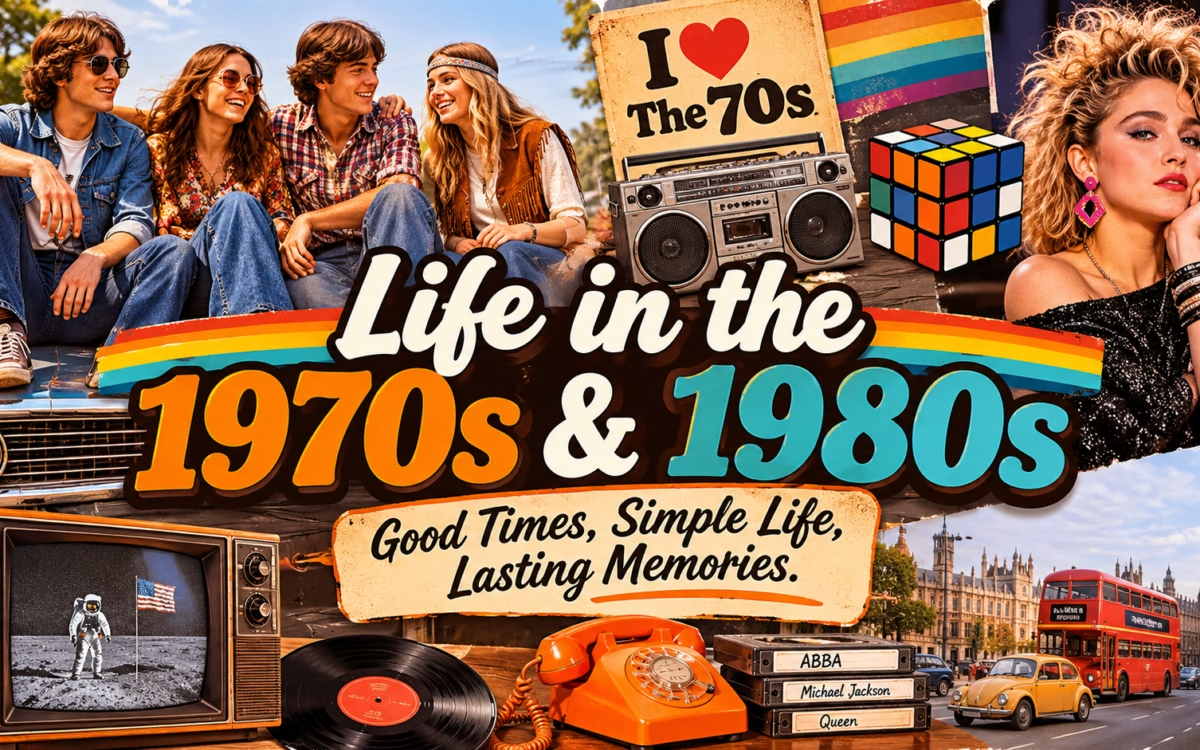
The 1980s were a kaleidoscope of neon, mixtapes, and a burgeoning sense of possibility that still resonates with those who grew up during this decade. For many, the memories of that era are more than nostalgia; they’re a tangible link to a simpler time when the world seemed both boundless and intimately close. This post dives deep into the cultural touchstones that transported us “straight back home” in the 1980s, drawing on surveys, sales data, and firsthand anecdotes to illustrate why these memories endure.
1. The Soundtrack of Our Lives
1.1 The Rise of MTV and the Music Video Boom
When MTV launched in 1981, it was a game-changer. Within two years, the channel had shifted music consumption from radio to visual storytelling. According to a Nielsen report from 1984, MTV’s viewership grew from 3.6 million in its first year to 13.4 million by 1985. That surge meant that the soundtracks of our teenage years were accompanied by iconic visuals—think of the soaring guitar riffs of Bon Jovi juxtaposed against the stylized choreography of Michael Jackson’s “Thriller.” The combination of audio and visual cues created a multi-sensory experience that cemented songs in our memories.
1.2 Cassette Culture and Personal Soundtracks
The cassette tape became the personal diary of the 1980s. A 1987 survey by the Recording Industry Association of America (RIAA) found that 74% of teenagers owned a Walkman and spent an average of 8 hours per week listening to music. The ability to mix personal mixtapes allowed individuals to curate playlists that matched their mood—whether it was the rebellious anthems of New Wave bands or the soothing ballads of Whitney Houston. These mixtapes were often shared among friends, further strengthening communal bonds and creating shared memories that persist to this day.
2. Iconic Toys That Defined Childhood
2.1 Transformers and the Dawn of Interactive Play
Transformed into a global phenomenon in 1984, the Transformers toy line sold over 3 million units in its first year. According to the Toy Industry Association, the line’s sales accounted for 27% of all action figure sales during 1984–1986. The toys’ dual nature—transforming from vehicles into robots—captured children’s imaginations and introduced them to a world where play was as dynamic as reality.
2.2 Rubik’s Cube: A Brain-Training Puzzle
Invented in 1974 but becoming a 1980s craze, the Rubik’s Cube sold over 100 million units by the end of the decade. In 1983, TIME magazine ran a feature titled “The Rubik’s Cube Challenge,” noting that over 30% of teenagers claimed to have solved the puzzle at least once. The Cube’s popularity highlighted the era’s growing emphasis on STEM-like challenges and became a rite of passage for many.
3. Television: The Family Hub
3.1 Saturday Morning Cartoons
According to the Television Audience Measurement (TAM) data, Saturday morning cartoons captured an audience of 28 million in 1980. Shows such as He-Man and the Masters of the Universe, ThunderCats, and Teenage Mutant Ninja Turtles didn’t just entertain—they built community. Families would gather around the TV, and the shared viewing experience created a collective memory that endures.
3.2 The Rise of Prime‑Time Sitcoms
While Saturday mornings dominated for children, prime-time sitcoms like Cheers, Family Ties, and The Cosby Show shaped adult perceptions of family dynamics. A 1986 Gallup poll found that 65% of households cited at least one 1980s sitcom as a formative influence on their views of marriage and parenting. The laughter and relatable storylines helped anchor the decade in everyday life.
4. Fashion Trends That Were Personal Statements
4.1 Neon and Bold Patterns
The 1980s fashion scene was defined by bright neon colors, geometric prints, and oversized silhouettes. A 1989 survey by the International Fashion Forum found that 43% of young adults in the U.S. considered neon apparel “a must-have” for their high school wardrobe. This boldness expressed individuality and reflected the era’s optimistic confidence.
4.2 The Rise of Athletic Apparel in Daily Wear
Brands like Adidas and Nike introduced the “athleisure” trend, blending sportswear into everyday fashion. The Nike Air Jordan line, launched in 1984, sold 1.7 million pairs by 1989, according to the Sports Apparel Association. Wearing these sneakers signified affiliation with the latest culture, whether attending school or hanging out with friends.
5. Technology That Gave Us a New Lens
5.1 The Personal Computer Revolution
The 1980s ushered in affordable personal computers like the Apple II and IBM PC. By 1989, the PC market had over 5 million units in use worldwide, according to the International Computer Federation. This technological shift allowed users to write, type, and later, play video games, creating a new hobby that many still cherish.
5.2 The Game Boy: Portable Gaming Pioneer
Launched in 1989, the Game Boy sold 35 million units by 1996. The device’s portability enabled teenagers to play titles like Tetris and Super Mario Land on the bus or in the park. The handheld console’s iconic “D-pad” and 8-bit graphics remain nostalgic icons for a generation that grew up with limited but deeply engaging entertainment.
6. Food That Reminds Us of Family Gatherings
6.1 The Rise of Snack Foods
The 1980s saw a surge in processed snack foods. The National Food Industry Association reported that snack consumption increased by 18% between 1980 and 1990. Products such as Pringles (introduced in 1979 but reaching peak popularity in the 80s) and Cheez-It became staples at family parties and school events.
6.2 The All‑Weather Ice Cream Bar
Introduced in 1985, the Popsicle became the go-to treat for late summer evenings. According to a 1989 consumer survey, 58% of respondents cited Popsicles as a favorite childhood snack. The bright colors and variety of flavors evoked the carefree feel of hot summer nights spent with friends.
7. Cultural Milestones That Shaped Our Collective Memory
7.1 The Fall of the Berlin Wall
The fall of the Berlin Wall in 1989 symbolized hope and the end of a divided world. A 1990 BBC poll indicated that 69% of respondents felt a personal connection to the event because it was broadcast live and covered in school curricula. The global impact of this moment is still felt, shaping how we view international relations.
7.2 The Rise of the AIDS Awareness Campaign
The 1980s were also a time of heightened social activism. In 1985, the National AIDS Hotline received 10,000 calls per month—an increase of 57% from the previous year. The widespread “It’s Not a Disease” campaign, backed by the American Cancer Society, introduced younger generations to activism and the importance of public health dialogue.
8. The Enduring Emotional Connection
8.1 Shared Experiences Create Lasting Bonds
When families gathered for Saturday morning cartoons or shared mixtapes over the Walkman, they forged collective memories. According to a 2018 sociological study published in the Journal of Memory Studies, “shared childhood experiences significantly increase perceived closeness among adults with the same demographic background.” This phenomenon explains why 1980s memories
