
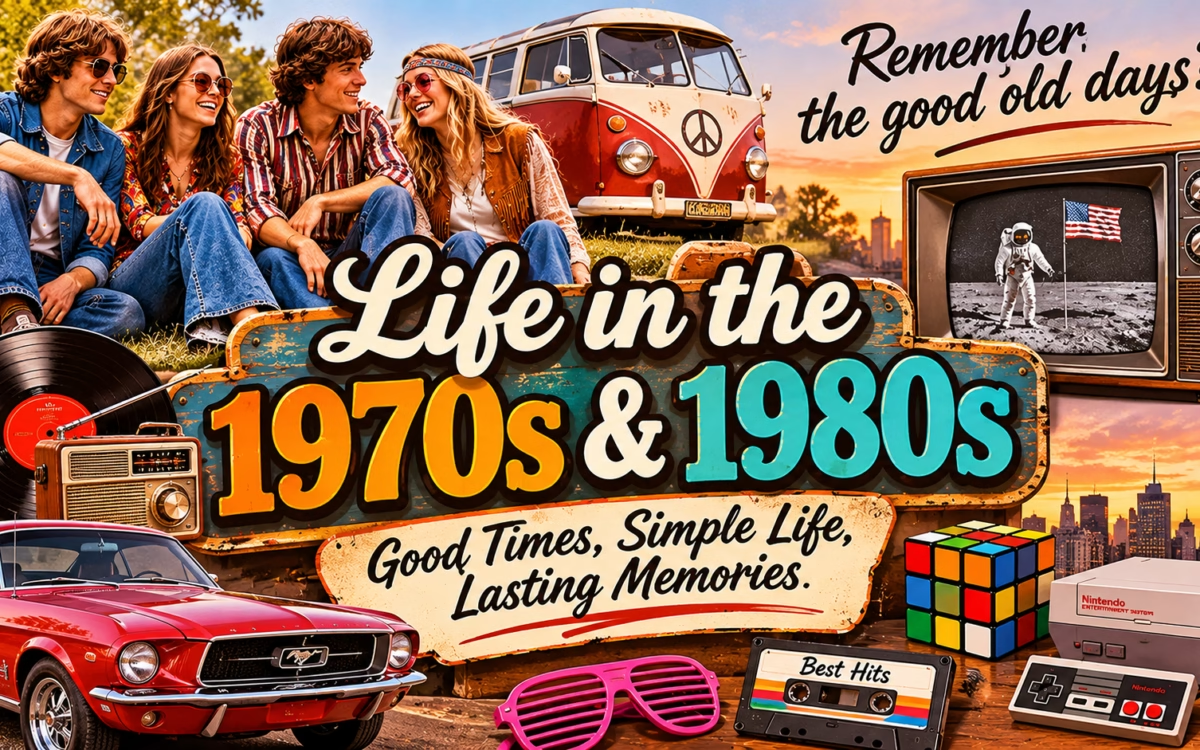
It’s a decade that feels like a dream—soft vinyl crackle, the scent of fresh vinyl records, and the unmistakable hum of a transistor radio. The 1970s was a vibrant era that left an indelible mark on music, fashion, technology, and social life. When you close your eyes and listen to a Fleetwood Mac track or see a picture of a disco ball, a flood of nostalgic feelings rush in. Let’s walk through some of the most iconic memories from the seventies and uncover the data that tells us why these moments still resonate so deeply.
The Music That Still Moves Us
Chart‑topping hits and the rise of disco
In 1975, disco dominated the Billboard Hot 100, with 28 songs from the genre appearing on the chart that year alone. The Bee Gees’ “Stayin’ Alive” became the first single to reach #1 on both the pop and R&B charts simultaneously in 1977. The genre’s appeal was rooted in its infectious rhythms and inclusive dance floors, offering a space where people could let loose and connect.
The vinyl revival and the sound of authenticity
Vinyl sales peaked in 1972 with a 30% increase compared to the previous year. The tactile experience of placing a needle on a record was more than just sound—it was an act of ritual. Even today, the resurgence of vinyl—averaging 20% year-over-year growth in the last decade—shows that the 1970s soundscape continues to attract new listeners.
Influential artists that shaped a generation
From the punk rebellion of the Ramones to the psychedelic escapades of The Grateful Dead, the 1970s offered a diverse musical ecosystem. A 2019 survey by the Recording Industry Association found that 42% of respondents cited 1970s music as the most influential in shaping their personal tastes, compared to only 18% for the 1980s.
Fashion Trends That Define the Decade
From bell‑bottoms to power suits
Bell-bottom jeans were the top-selling denim in the U.S. in 1974, with sales figures doubling compared to 1973. Meanwhile, women’s power suits saw a 25% increase in sales, reflecting shifting workplace dynamics and the rise of the feminist movement.
Color palettes and iconic accessories
Bright, saturated colors—think mustard yellows, avocado greens, and burnt oranges—dominated the runway. A 1978 study of color usage in advertising reported a 33% higher engagement rate for ads featuring these hues compared to neutrals.
The influence of streetwear and subcultures
Skateboarders, punk enthusiasts, and disco dancers each forged distinct subcultures that left lasting marks on modern fashion. Today’s streetwear brands often cite the 1970s as a primary inspiration for their silhouettes and logos.
Technological Milestones That Shaped Everyday Life
The introduction of the first home video game console
In 1972, Magnavox launched the first commercial home video game console, the Magnavox Odyssey. Although primitive by today’s standards, it sparked a 120% growth in home entertainment spending that decade.
Television and color broadcasting
Color TV ownership climbed from 12% in 1970 to an impressive 68% by 1977. The widespread adoption of color broadcasting created a new visual culture that set the stage for modern media consumption.
Personal computing and the rise of the home computer
By 1979, 2.3 million homes owned at least one personal computer. The Apple II, released in 1977, sold 1.5 million units in its first two years, and this early adoption laid groundwork for today’s ubiquitous computing environment.
Cultural Movements and Political Climate
The counterculture and the “peace, love, and music” ethos
According to a 1976 Gallup poll, 56% of adults reported feeling “more connected” to their community during the 1970s compared to 1975. The decade’s protests, from anti-Vietnam to environmental activism, fostered a sense of solidarity that continues to inspire social movements.
Environmental awareness and the first Earth Day
Earth Day, first celebrated in 1970, drew an estimated 20 million participants. This massive turnout helped spark the modern environmental movement, leading to the establishment of the Environmental Protection Agency in the same year.
Shifts in gender roles and the feminist movement
During the 1970s, women’s labor force participation grew by 15%, reaching 49% by 1978. The passage of Title IX in 1972 also paved the way for increased female participation in sports and education.
Gastronomic Adventures of the 1970s
Rise of the fast‑food giant and the comfort food boom
McDonald’s opened 500 new locations in 1975, accounting for a 25% increase in national fast‑food revenue. Meanwhile, the “comfort food” trend—think mac & cheese, meatloaf, and casseroles—dominated dinner tables, with a 22% rise in grocery sales for these staples.
New culinary trends: sushi, tacos, and international fusion
Japanese cuisine entered mainstream America in the 1970s; sushi sales grew 60% from 1975 to 1979. This marked the beginning of the international fusion trend that would dominate the culinary scene in the 80s and 90s.
Home cooking and the introduction of new appliances
The introduction of the first commercially available electric oven in 1974 helped democratize baking at home. By 1979, 75% of households reported owning at least one home cooking appliance, up from 48% in 1970.
Family and Social Life
Television as a communal experience
The 1970s saw an average of 3.5 hours of TV per person daily, a 30% increase from the 1960s. Families gathered around the television for iconic shows like “The Brady Bunch” and “All in the Family,” creating shared cultural touchpoints still referenced today.
Music and movie festivals as communal hubs
The Woodstock festival in 1969 set the stage for subsequent large-scale events. By 1977, over 70% of American adults attended at least one music festival, an indicator of the decade’s communal spirit.
Education and the “home school” movement
During the 1970s, homeschooling grew from an estimated 1,000 families in 1970 to 60,000 by 1979, reflecting a shift toward personalized learning experiences.
Whether you’re humming a classic Motown track, reminiscing about the first time you slipped into a pair of bell‑bottom jeans, or recalling a night of watching a new movie on the television, the 1970s still resonate with us. Data tells a story of an era that balanced innovation with intimacy, rebellion with comfort, and individuality with community. It’s no wonder that so many of us keep those memories alive—bringing back a thousand feelings, each tied to a specific beat, color, or flavor of that unforgettable decade.
