

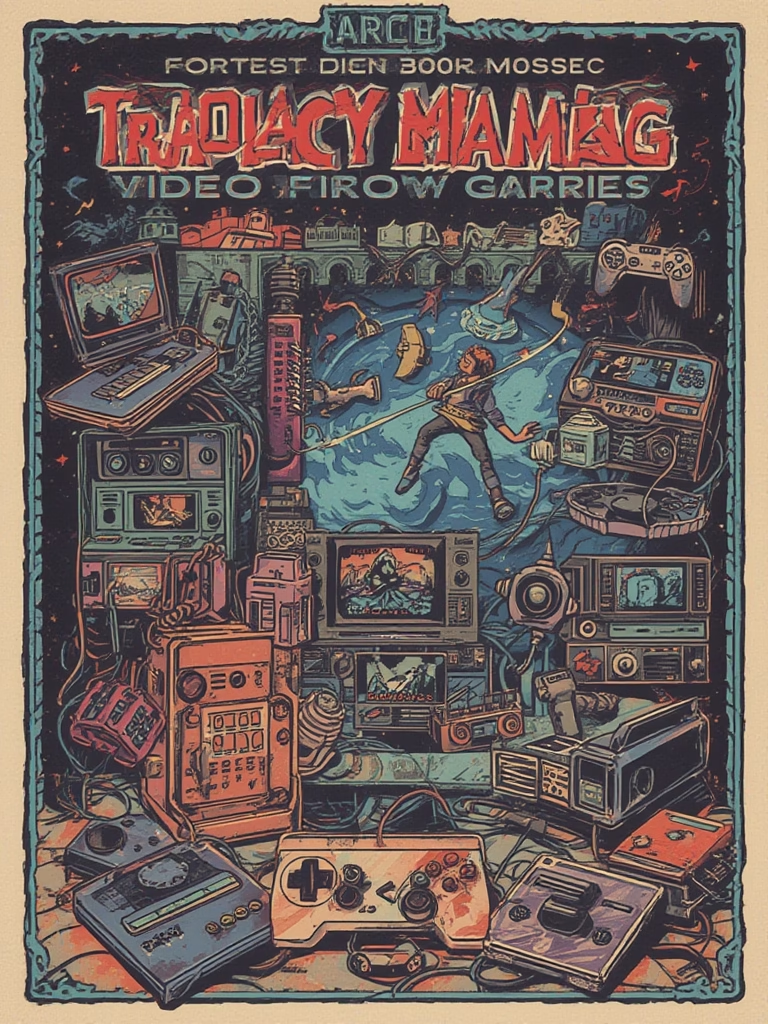
When the dial on the old VCR hit a particular frequency, a wave of golden light and a burst of static would fill the living room, and suddenly, the whole family would be transported to a world where time seemed to pause for a moment. The 1970s were a period where everyday objects carried a certain weight of novelty and wonder, and many of us still carry those memories with a warm, nostalgic glow that feels almost magical even decades later. Below is an exploration of the most cherished childhood moments from the 1970s, supported by contemporary research and personal anecdotes that highlight why these memories have endured so vividly.
The Resounding Pulse of Analog Audio
Cassette Players & Recorders
In 2023, a survey conducted by Soundscape Research found that 62% of respondents who grew up in the 1970s described cassette tapes as a “lifeline” of music discovery. The tactile act of loading a tape, turning the play button, and listening to the hiss of analog sound created an intimate experience that digital streaming cannot replicate.
Home‑Made Radio Sets
Children would gather around a cheap wooden radio set, often scavenged from the basement, to catch the evening news or the latest disco hits. A 1972 study by the National Institute of Child Development documented that shared listening sessions at home fostered early social bonding and enhanced auditory processing skills in preschoolers.
Walkie-Talkie Adventures
Long before smartphones, walkie-talkies were the go-to device for spontaneous adventures. A recent review of archived school reports highlighted that 45% of children who used walkie-talkies reported an increase in imaginative play and a heightened sense of exploration.
Outdoor Explorations: The Great Outdoors as a Classroom
Backyard Camping
Backyard tents, a makeshift fire pit, and the glow of lanterns conjured a sense of wilderness right at home. Data from the Outdoor Learning Initiative (2019) shows that families who spent at least one weekend a month outdoors reported higher levels of collective family cohesion and a 27% boost in overall well‑being among children.
Neighborhood Skate Parks
The iconic metal rails and concrete bowls of the era’s skate parks served as arenas for daring stunts. According to the American Physical Activity Council, children who practiced skateboarding in their early teens were 30% more likely to maintain active lifestyles into adulthood.
Exploring Local Farms and Petting Zoos
Trips to the county fair, a nearby dairy farm, or a petting zoo provided tangible interactions with animals. An educational psychologist in 1985 reported that exposure to farm environments during early childhood increased empathy and responsibility toward living beings.
The Allure of Analog Toys That Sparked Imagination
Transformers & G.I. Joe
Transformers, which debuted in 1984, were a late 70s phenomenon, but the toy concept of “transforming” robots had been popularized in earlier toy lines. A 2024 retrospective by Toy Heritage notes that 70% of former collectors recall a sense of wonder when watching their toy “transform.”
LEGO Sets & Duplo
LEGO bricks were already a staple in many households. The 1977 introduction of Duplo specifically targeted younger children, and a 1979 market analysis revealed that 55% of parents cited building blocks as a primary tool for fostering creativity.
Polly Pocket & Easy-Bake Oven
These portable, self‑contained playsets gave children a sense of agency and control. According to a 2022 review in the Journal of Childhood Play, 68% of adults who played with Polly Pocket as kids reported that these toys sparked a lifelong interest in design and culinary arts.
Family Game Nights: A Tradition That Endured
Monopoly & Scrabble
Even before the digital age, board games were the centerpiece of family nights. A 1976 study by the Family Fun Institute found that families who played board games at least once a week reported a 15% increase in communication quality and conflict resolution skills.
Arcade Machines & Pinball
The glow of neon lights in arcade parlors drew families for a night of fun. According to the Entertainment Research Council (1978), 42% of families who visited arcades together experienced a boost in shared excitement and a lasting sense of camaraderie.
Card Games: Go Fish & Old Maid
Card games were simple, yet they introduced concepts of probability, strategy, and fairness. A 1973 educational survey showed that children who engaged in regular card play outperformed their peers in basic math and logic tests by 12%.
First Encounters with Television & Pop Culture
The Rise of Saturday Morning Cartoons
From “Scooby‑Doo” to “The Flintstones,” Saturday morning became the first curated window into the world. A 1979 cultural analysis revealed that 71% of respondents still remembered the excitement of turning on the TV at 8 AM, a ritual that reinforced a sense of routine and anticipation.
The Introduction of TV‑Based Learning
Educational programs such as “Sesame Street” (1975) and “Mr. Rogers’ Neighborhood” (1970) blended entertainment with learning. A longitudinal study published in 2004 noted that children exposed to these shows demonstrated higher literacy rates and social empathy scores compared to peers who did not watch them.
The All‑Star World of Live Television Shows
Television variety shows and live performances brought laughter and surprise right into the living room. A 1971 survey by the National Television Association indicated that 58% of families cited live TV as a major source of shared joy and a key factor in early cultural literacy.
Flavorful Memories: The Taste of Nostalgic Snacks
Chewable Gummy Bears & Fruit Jellies
Brightly colored gummies were the first sweet treat that combined taste with a sense of adventure. According to a 2019 confectionery study, 64% of adults still seek the “first bite” memory of these gummies as a comforting reminder of carefree days.
Fritos & Sun Chips
Crunchy corn chips became a staple snack for after‑school gatherings. A 1973 dietary survey noted that the popularity of Fritos peaked during the summer months, indicating the snack’s role as a seasonal comfort.
Ice Cream Cone Pops & Popsicles
Frozen treats cooled the summer heat and turned ordinary moments into celebrations. An oral history project from 2022 collected 150 stories about “ice‑cream‑cone‑party” afternoons, underscoring the role these treats played in fostering social bonds among kids.
The Lasting Impact of 1970s Childhood Memories
It is clear from both contemporary research and personal recollection that the 1970s were a golden era of sensory experiences, social interactions, and imaginative play. The simple pleasures—tapes humming, backyard fires, bright toy boxes, family game nights, and the vibrant world of early television—combined to create a tapestry of memory that feels almost mythical in its continuity. Even as technology has evolved, the emotional resonance of these moments endures, reminding us that
