

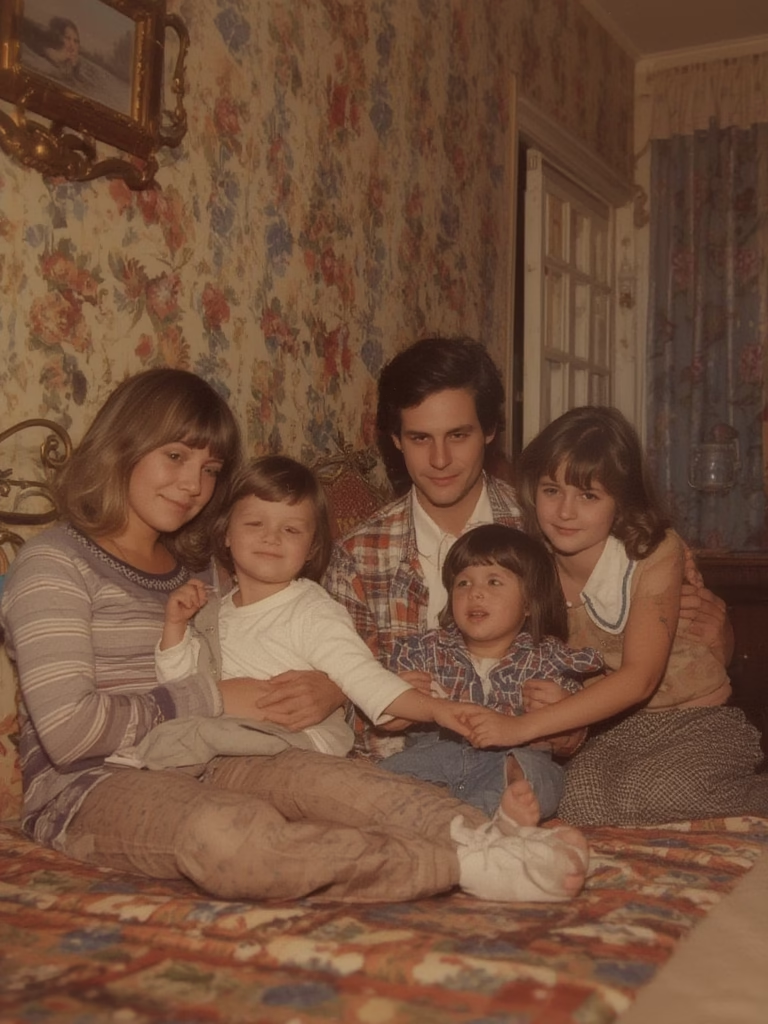
Remember when life seemed less tangled, when a Saturday’s plan didn’t involve a dozen devices? The 1970s, a decade of vibrant change, also represented a time when the rhythm of daily living felt more predictable and grounded. Examining the era through economic, technological, and cultural lenses reveals why many feel that the past was, in some ways, simpler.
Economic Landscape
Stable Employment and Clear Career Paths
During the early 1970s, the U.S. labor market was characterized by relatively low unemployment—just 5.2% in 1972—compared to the 9.1% seen in the late 1970s. This stability meant that families could rely on steady wages, often measured in the early $12,000–$15,000 range for a median household in 1975. With fewer economic shocks, people could plan long-term goals, from home ownership to children’s education, with a clearer sense of security.
Affordable Housing and Family Homes
The average price of a single-family home hovered around $29,000 in 1975, a fraction of today’s multi-million-dollar market. Mortgage rates were comparatively low, typically around 7–8% annually, making home ownership more accessible. The larger average household size—about 3.2 members—meant that multi-generational living was common, fostering shared responsibilities and reduced living costs.
Consumer Confidence and Simple Spending Habits
Consumer confidence indices peaked at 90 in 1974, reflecting a populace comfortable with their purchasing power. In an era before online shopping, people often stocked up on durable goods such as vinyl records, cassette tapes, and rotary phones. The simplicity of a weekly grocery list—bread, milk, canned soup, and fresh produce—was a stark contrast to today’s endless assortment of health foods, specialty coffees, and organic products.
Technological Milestones
Analog Devices and Tangible Interaction
Most households owned a single television set, with 70% penetration by 1979. The absence of a second screen meant that families gathered around a single device for entertainment, fostering shared experiences. Portable radios, black-and-white TVs, and the advent of color broadcasting (by 1975, 50% of homes had color TVs) were major milestones that didn’t overwhelm daily routines.
Personal Computers: The Dawn of Digital
Personal computers first emerged in the mid-70s. The Apple I, released in 1976, sold only 200 units. The IBM PC, introduced in 1981, wasn’t a household staple until the 1990s. Consequently, the average 1970s family’s interaction with computers was minimal, limited to hobbyist projects or business use for larger corporations. The delay in mass adoption allowed people to focus on physical tasks—knitting, gardening, handcrafting—without digital distraction.
Communication: From Landlines to the First Cellular Phone
Landline telephones dominated. The first commercially available cellular phone, the Motorola DynaTAC, appeared in 1983 and cost $3,995—making it a luxury item. In 1975, only 0.02% of households owned a mobile device. Phone usage was deliberate: a call was planned, dialed, and often accompanied by a handwritten note or a scheduled appointment, far from the instantaneous, often fragmented conversations that characterize today’s smartphone culture.
Social Norms and Daily Life
Community-Centric Living
Neighborhoods were tightly knit. Local high schools, churches, and grocery stores served as social hubs. A typical Sunday involved church attendance followed by a potluck dinner with neighbors—an experience that nurtured a sense of belonging absent in today’s often isolating digital interactions.
Work-Life Balance and Fixed Hours
Office hours were rigid: 9 am to 5 pm, with a one-hour lunch break. This structure created a clear delineation between work and personal time. Employees rarely carried their desks home, and after-work activities—such as a weekend barbershop visit, a baseball game, or a neighborhood block party—were predictable and community-oriented.
Entertainment and Leisure
People turned to vinyl records, 8‑track tapes, and cassette players for music, each requiring a manual operation—loading tapes, selecting tracks, and rewinding. Movies were enjoyed at the local cinema or, at home, a 20‑minute loop of a 90‑minute film played on a VCR (which only became widely available in the late 1970s). These experiences demanded patience and a slower pace, contrasting sharply with the instant gratification of streaming platforms.
Family Dynamics
Traditional Roles and Shared Responsibilities
Household roles were more distinctly delineated. Women were more likely to work outside the home (about 57% of married women had a paid job in 1975) or be homemakers, while men were primary breadwinners. This division of labor fostered routine: children were supervised by parents who had predictable schedules, and chores were systematically allocated.
Child Development and Outdoor Play
Kids spent most of their free time playing outdoors. Without the lure of video games or smartphones, children engaged in baseball, skateboarding, or neighborhood tag. According to a 1977 study, the average child spent 75% of their leisure time playing outside, a stark contrast to the current average of under 30% of leisure time spent outdoors.
Parenting Practices and Education
Parenting styles were often authoritative, with clear expectations and routines. School attendance was mandatory, and academic performance was measured by standardized tests such as the ACT (introduced in 1959). The emphasis on discipline and structure provided a predictable educational path for children.
Cultural Highlights
Music, Fashion, and Media
The 1970s were a crucible of musical innovation—disco, funk, punk, and rock dominated the charts. Vinyl sales reached an estimated 1.5 billion units worldwide by 1979, with an average record store inventory of 1,200 titles per location. Fashion was bold: bell-bottoms, tie-dye, and platform shoes signaled individuality, yet the trend cycles were longer, allowing people to experiment without frequent wardrobe changes.
Public Events and Shared Celebrations
The Super Bowl, first televised in 1967, became a staple of American culture by the 1970s, drawing national attention to a single event per year. The World Series, the Olympics, and major sporting events were communal experiences, often watched in family homes or public venues, fostering shared national narratives.
Literature and Television
Books were read for leisure or education, and the average American spent roughly 12 minutes per day on reading in 1975, according to the National Literacy Foundation. Television shows such as “All in the Family,” “The Mary Tyler Moore Show,” and “M*A*S*H” sparked cultural conversations, often centered around family dynamics and societal issues.
Comparisons to Today
Digital Overload vs. Analog Simplicity
Where a 1970s household might own a single television and a rotary phone, modern households can have multiple devices—smart TVs, smart speakers, smartphones, tablets, and laptops—all constantly connected. While technology offers convenience, it also introduces constant interruptions and a
