
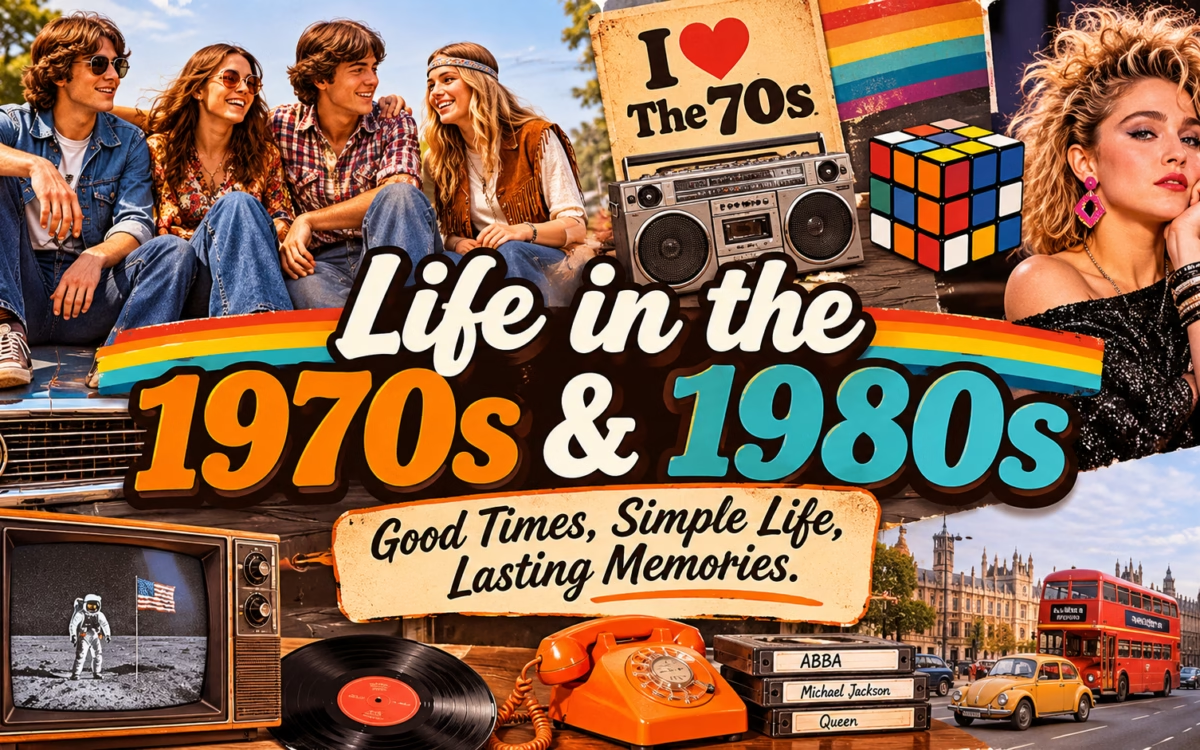
VHS tapes, those bulky plastic cassettes that once filled living rooms and bedroom corners, have become more than just relics of a bygone era. For many, they are a portal to a simpler time, a tangible link to moments that shaped their lives. Even in a world dominated by streaming, the magnetic charm of a VHS recording still pulls people back into memories that feel vivid and intimate.
1. The Power of Physicality
Unlike digital files that exist on servers or in the cloud, VHS tapes are physical objects you can touch, hold, and store in a shoebox or on a shelf. This tactile experience creates a stronger emotional bond. When you rewind a tape, you are actively engaging with the content, pausing, fast‑forwarding, or watching a frame‑by‑frame segment. The physical act of pressing the play button, feeling the resistance of the tape, and hearing the whir of the VCR motor turns viewing into a sensory ritual.
1.1. A Sense of Ownership
Owning a VHS is akin to owning a piece of history. The packaging—often featuring colorful covers, dated logos, and sometimes a handwritten note—tells a story in itself. Many people kept their childhood movies in the same tin or box that their parents stored their home videos in, creating a lineage of media that spans generations. That sense of passing down tangible media is something that streaming services cannot replicate.
1.2. The Imperfect Quality as a Memory Marker
VHS tapes rarely provide the crispness of a 4K stream. The slight pixelation, the occasional drop of color, or the hiss at the beginning of a reel act as fingerprints of an era. Those imperfections are part of the memory, reminding us that the moment was captured with the best technology available at the time. The nostalgic allure of the grainy footage can actually enhance the sentimental value.
2. The Ritual of Watching
Watching a VHS is more than just clicking play. It’s a multi-step process that involves preparation, patience, and a degree of anticipation. For many, the ritual of setting up a VCR, aligning the tape, and ensuring the room is dimly lit became a comforting routine that framed the viewing experience.
2.1. The Countdown to Nostalgia
Rewinding a tape to find a favorite scene is a form of exploration. Each click and spin is a reminder of a time when home entertainment required active participation. This sense of anticipation enhances the emotional payoff when the familiar montage finally plays.
2.2. Group Experiences
Family movie nights used to involve gathering around a single screen, with the entire household sharing the experience. The VHS format encouraged group viewing because the medium itself could accommodate multiple viewers without the need for multiple devices. That communal experience is often remembered fondly and can trigger a cascade of memories tied to that shared time.
3. Cultural and Social Significance
VHS tapes are embedded in the cultural fabric of the late 20th century. They are the medium that captured formative moments: a high school graduation ceremony, a spontaneous summer vacation, the release of a beloved band’s home video. The cultural cachet of VHS is inseparable from the way we remember that period.
3.1. The Democratization of Recording
Before the VHS, recording a video required expensive equipment or professional services. With the advent of affordable VCRs and recordable tapes, families could document their own stories. This democratization turned the home into a personal cinema, where every family could become a filmmaker.
3.2. Iconic Moments on Tape
From the first home movie of a child’s birth to a spontaneous dance party with friends, VHS captured moments that were both ordinary and extraordinary. The fact that these moments were recorded in a format that was widely accessible meant they became shared cultural artifacts. Even as those tapes age and degrade, the stories they hold continue to resonate.
4. The Role of Technology Transitions
As technology evolves, it’s common for older formats to become nostalgic symbols. The VHS era sits at a crossroads between the analog past and the digital future. Its decline is often perceived as a loss, and that loss fuels a desire to preserve its artifacts.
4.1. Transition to Digital
The migration from VHS to DVD, Blu‑ray, and eventually streaming has left a void for many. The transition was not just technological—it was emotional. The familiarity of the VCR’s chime and the clunky plastic cassette contrasted sharply with the sleekness of digital players, creating a psychological anchor to the past.
4.2. Preservation Challenges
Unlike digital files that can be duplicated infinitely, VHS tapes degrade over time. The magnetic tape can become brittle, leading to loss of picture or audio. The very fragility of the medium underscores its value; it’s a reminder that what we hold is transient and worth cherishing.
5. The Appeal to Generational Memory
Parents who grew up with VHS tapes often feel a strong emotional connection to the format, and they pass that affection on to their children. This intergenerational transmission amplifies the VHS’s nostalgic power. Children who have never seen a VCR might still feel the pull because of family stories and the visible relics of their parents’ youth.
5.1. Stories Retold Through Film
Home videos become storytelling tools, allowing grandparents and parents to share their own childhood experiences with younger family members. Watching these tapes is a way to bring the past into the present, creating an emotional bridge between generations.
5.2. The Curiosity of the New Generation
For those who grew up in the digital age, the VHS represents a mystery. The analog process invites curiosity—how did people record videos? How did they preserve them? These questions can spark a deeper appreciation and a personal connection to the format.
6. The Aesthetic and Artistic Value
Beyond personal nostalgia, VHS tapes have influenced visual culture. Filmmakers, artists, and designers have embraced the aesthetic qualities of VHS—its color grading, its static, its analog distortion—to evoke certain moods or to comment on the passage of time.
6.1. Retro Aesthetics in Film
Movies like “The Room” or “The Blair Witch Project” famously used VHS to create a sense of authenticity. The grainy look of the footage added to the unsettling atmosphere, making the audience feel as if they were witnessing real events.
6.2. DIY Culture and Remixing
The ease of accessing VHS footage has inspired a wave of remix culture. Artists overlay music, add subtitles, or combine different clips to craft new narratives. The VHS medium has become a creative playground, offering a sense of experimentation that digital files sometimes lack.
7. Emotional Resonance and Personal Identity
Ultimately, the VHS format is a vessel for memory. The stories recorded on tape—birthdays, road trips, school plays—are foundational to many people’s sense of self. When you revisit those tapes, you’re not just watching old footage; you’re engaging in an act of self‑reflection and emotional processing.
7.1. Reclaiming Lost Time
Watching an old VHS can feel like stepping back into a lost era. It can provide closure or simply a comforting reminder that we were once where we are now. In a fast‑paced world, the VHS offers a moment to pause and reflect.
7.2. The Joy of Rediscovery
Many people find that re‑watching a VHS tape reveals new details they had missed the first time. The slower pacing of analog media invites viewers to linger on frames, to savor a particular expression or background detail. This rediscovery keeps the memories fresh and alive.
