
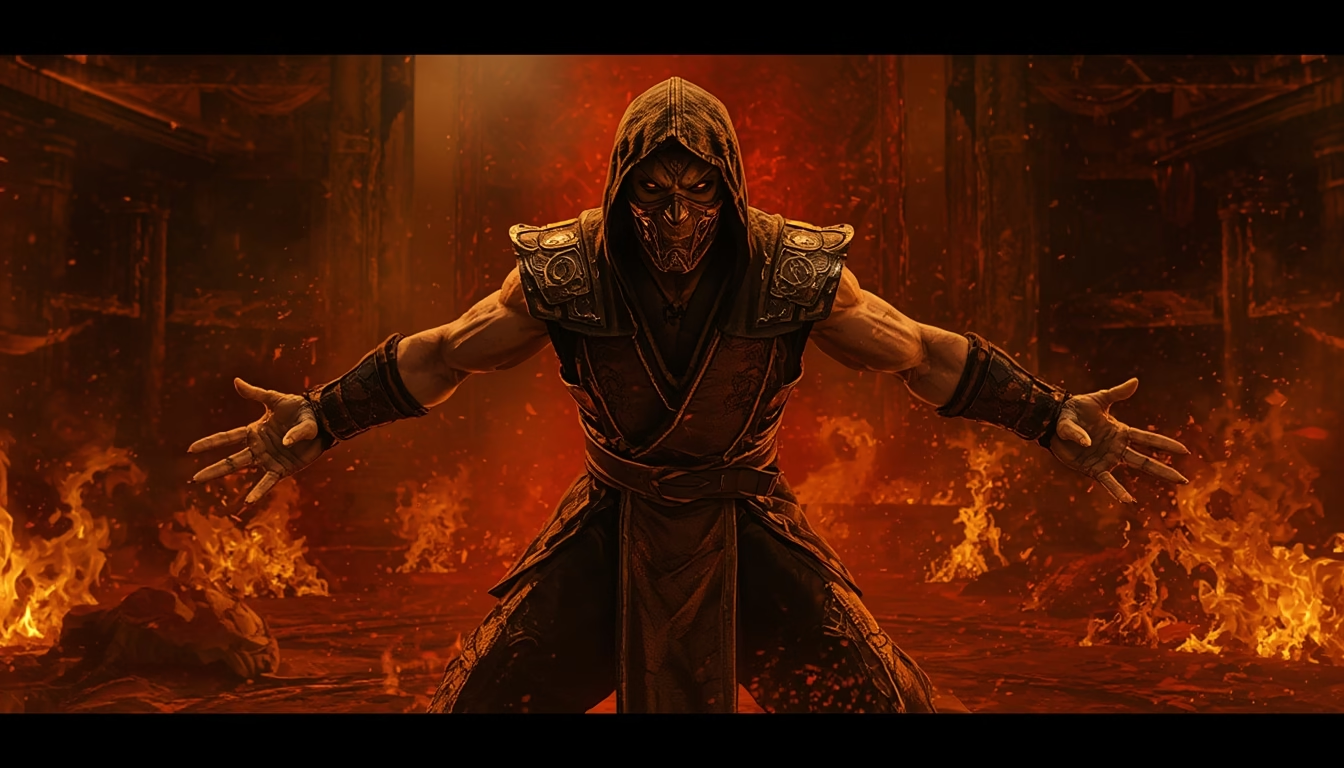
When the screen flickers to life and the iconic thunderclap rolls across the theater, fans instantly recognize the Mortal Kombat opening scene—a ritual that has become as much a part of pop culture as the games themselves. From the pixel‑perfect arenas of the 1992 arcade cabinet to the blood‑splattered spectacle of the latest film, Mortal Kombat has evolved into a multimedia juggernaut while staying true to its brutal, adrenaline‑pumping roots.
From Arcade Cabinets to Global Phenomenon
The journey began in 1992 when Midway released the original Mortal Kombat arcade game. Its revolutionary digitized graphics, over‑the‑top fatalities, and a roster of unforgettable warriors set a new standard for fighting games. The simple yet addictive “Test Your Might” and “Test Your Sight” mini‑games, paired with a dark, martial‑arts‑infused storyline, quickly turned the title into a cultural touchstone.
Within a year, the franchise expanded to home consoles, PC, and even handheld devices. Each new installment—Mortal Kombat II, III, Deception, and the rebooted 2011 series—added depth to the lore, introduced fresh combat mechanics, and refined the signature fatalities that fans love to debate.
Key Characters That Define the Universe
Scorpion – The Vengeful Specter
Hanzo Hasashi, better known as Scorpion, is the embodiment of revenge. After his clan is massacred, he returns from the Netherrealm wielding a flaming kunai and the iconic line, “Get over here!” His tragic backstory and relentless drive make him a fan favorite and a central figure in every Mortal Kombat narrative.
Sub‑Zero – The Cryogenic Warrior
Sub‑Zero’s icy powers have become synonymous with the franchise. Originally portrayed by the Lin Kuei assassin Bi‑Han, the mantle later passes to his younger brother, Kuai Liang, who brings a more heroic edge. Whether freezing opponents or delivering a chilling fatality, Sub‑Zero remains a staple of the series’ roster.
Raiden – The Thunder God
As the protector of Earthrealm, Raiden’s electric powers and wise demeanor provide balance to the chaos. His role as mentor and occasional combatant bridges the gap between mortal fighters and divine intervention, reinforcing the mythic scale of the Mortal Kombat universe.
Liu Kang – The Champion of Earthrealm
Liu Kang’s journey from Shaolin monk to the champion who defeats the evil sorcerer Shang Tsung mirrors classic hero arcs. His fiery kicks and dragon fire attacks have made him a cornerstone of both the games and the movies, often serving as the moral compass for the fighting roster.
The Latest Film: Storyline and Highlights
The most recent Mortal Kombat movie reimagines the classic tournament while weaving together multiple timelines. The plot follows a group of Earthrealm warriors—Liu Kang, Kung Lao, and newcomer Cole Young—who must unite to stop the malevolent sorcerer Shang Tsung and his army of Outworld invaders. The film’s opening scene drops viewers straight into the brutal arena, echoing the game’s signature “Fight!” call and setting a tone of relentless action.
Key plot beats include:
- Scorpion’s haunting return from the Netherrealm, seeking vengeance against the sorcerer who betrayed him.
- Sub‑Zero’s internal conflict as he balances loyalty to his clan with the need to protect Earthrealm.
- Raiden’s desperate gamble to merge realms, creating a high‑stakes showdown that culminates in an epic final battle.
Action, Visuals, and Fight Choreography: A Critical Review
The film delivers on the promise of visceral combat. The fight choreography blends traditional martial arts with the franchise’s signature supernatural moves—fireballs, ice blasts, and lightning strikes—creating a kinetic experience that feels both grounded and fantastical. The Mortal Kombat opening scene sets the bar, with a seamless transition from the thunderous roar of the arena to close‑up shots of each fighter’s signature move.
Visually, the movie embraces a gritty, hyper‑real aesthetic. The use of practical effects for blood splatter and the meticulous design of each character’s costume pay homage to the original pixel art while enhancing realism. The Netherrealm sequences, bathed in eerie green light, evoke the game’s darker realms without feeling cartoonish.
From a technical standpoint, the cinematography captures the fast‑paced nature of the fights. Rapid cuts are balanced with slow‑motion moments that highlight critical fatalities—Scorpion’s spear thrust, Sub‑Zero’s ice‑shatter, and Liu Kang’s dragon fire—allowing viewers to savor the impact.
Faithfulness to the Games
Fans will appreciate the numerous Easter eggs scattered throughout the film. Classic fatalities, such as Scorpion’s “Toasty!” and Sub‑Zero’s “Ice‑cutioner,” appear as nods to long‑time players. The tournament structure mirrors the original game’s ladder system, and the iconic “Fatality” announcer’s voice makes a cameo during the climactic showdown.
While the storyline introduces new characters like Cole Young, the core mythos remains intact. The balance between honoring the source material and expanding the narrative ensures that both newcomers and veteran fans feel at home.
Fan Reactions and Cultural Impact
Social media exploded after the release of the opening scene, with fans sharing reaction videos and recreating iconic moves on TikTok. The phrase “Get over here!” trended worldwide, demonstrating the franchise’s enduring relevance. Critics praised the film for its faithful adaptation, while some purists debated the inclusion of new characters.
Beyond the screen, Mortal Kombat continues to influence fashion, music, and even esports. The franchise’s signature skull logo appears on streetwear collections, and its soundtrack—featuring heavy metal and electronic beats—has become synonymous with high‑energy gaming sessions.
The Future of Mortal Kombat
Looking ahead, the franchise shows no signs of slowing down. Upcoming game releases promise expanded story modes, deeper character customization, and enhanced online multiplayer. On the cinematic front, a sequel is already in development, with rumors of new realms, additional fan‑favorite fighters, and an even larger scale tournament.
Furthermore, the rise of virtual reality and augmented reality experiences could bring the Mortal Kombat opening scene directly into players’ living rooms, allowing fans to step into the arena themselves.
Join the Conversation
Whether you’re a die‑hard fan who has spent countless nights mastering combos or a newcomer drawn in by the latest blockbuster, Mortal Kombat’s legacy continues to grow. Share your favorite moments—from the first time you pulled off a perfect fatality to the jaw‑dropping opening scene of the newest film—in the comments below. Let’s keep the conversation alive and celebrate the brutal brilliance that makes Mortal Kombat a timeless classic.