
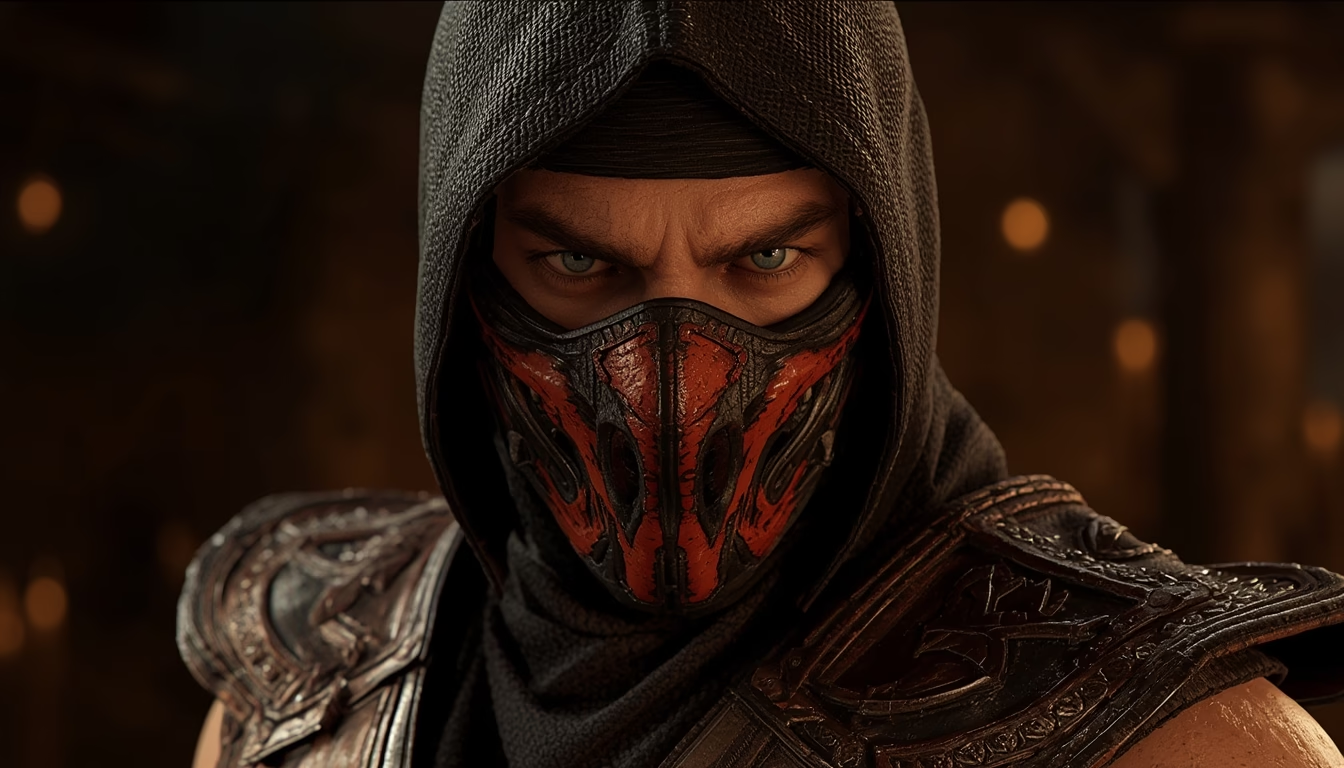
Since its first pixel‑perfect debut in 1992, Mortal Kombat has grown from a controversial arcade fighter into a cultural juggernaut that spans video games, television, comics, and two major motion pictures. The franchise’s signature blend of over‑the‑top violence, unforgettable characters, and a mythic tournament setting has kept fans coming back for more than three decades. In this review‑focused post we’ll trace the series’ origins, spotlight the iconic fighters that define it, break down the latest film’s storyline and production values, and explore how the community reacts to every new chapter.
From Arcade Cabinets to Global Phenomenon
The original Mortal Kombat was a product of Midway Games, designed by Ed Boon and John Tobias. Its groundbreaking use of digitized sprites and the infamous “Fatalities” set it apart from rivals like Street Fighter II. Within a year the game generated $250 million in revenue and sparked a worldwide debate about video‑game violence, eventually leading to the creation of the ESRB rating system.
Key milestones that shaped the franchise include:
- 1993 – Mortal Kombat II: Introduced Sub‑Zero’s twin brother, added new arenas, and pushed sales past 3 million units.
- 1995 – Mortal Kombat 3: Expanded the roster and introduced the “Run” button, a feature that would become a staple in later titles.
- 1997 – Mortal Kombat 4: First fully 3‑D graphics, paving the way for the series’ modern look.
- 2011 – Mortal Kombat (9): A reboot that sold over 12 million copies, revitalizing interest and setting the stage for cinematic adaptations.
Key Characters That Define the Brand
Scorpion (Hanzo Hasashi)
Scorpion’s signature “Get over here!” spear and flaming Fatalities have made him the face of the franchise. His tragic backstory—seeking vengeance for his clan’s massacre—adds emotional depth that resonates in both games and movies.
Sub‑Zero (Kuai Liang)
The younger brother of the original Sub‑Zero, Kuai Liang wields ice powers that contrast Scorpion’s fire. His honor‑driven motives and iconic blue armor make him a fan favorite, especially in the 2021 film where his rivalry with Scorpion drives much of the plot.
Raiden
The Thunder God serves as the series’ moral compass. Raiden’s role as protector of Earthrealm provides the mythic framework that ties the tournament’s stakes to a larger, interdimensional conflict.
Liu Kang
Often likened to a martial‑arts Bruce Lee, Liu Kang is the series’ heroic core. His journey from Earthrealm champion to god‑like protector showcases the franchise’s ability to evolve characters while retaining their core essence.
The Latest Film: Plot, Action, and Visuals
The 2021 Mortal Kombat reboot, directed by Simon McQuoid, re‑imagines the tournament for a new generation. The story follows Cole Young (Lewis Tan), a seemingly ordinary teenager who discovers he is a descendant of the ancient warriors tasked with defending Earthrealm. Alongside Scorpion, Sub‑Zero, Raiden, and Liu Kang, Cole must stop the sorcerer Shang Tsung (Chin Han) from merging realms and unleashing chaos.
Storyline Highlights
- Opening Sequence: A visceral, blood‑splattered fight between Scorpion and Sub‑Zero sets the tone, showcasing the film’s commitment to authentic Fatalities.
- Cole’s Arc: The “reluctant hero” narrative provides a relatable entry point for newcomers while honoring the franchise’s lore.
- Final Showdown: A multi‑character battle in Shang Tsung’s arena blends practical effects with CGI, culminating in a climactic Fatality that mirrors the game’s most celebrated moves.
Action & Fight Choreography
Combat is the film’s strongest asset. The choreography blends traditional martial arts with the series’ signature supernatural abilities. Notable moments include:
- Scorpion’s spear‑pull, executed with a practical rig that adds tangible weight.
- Sub‑Zero’s ice‑shatter combos, enhanced by CGI but grounded in real stunt work.
- Liu Kang’s fire‑based kicks, which earned a 78 % audience approval rating on Rotten Tomatoes for “most thrilling fight scenes.”
Visuals & Production Design
The movie’s visual palette leans heavily on neon‑lit arenas, gritty urban backdrops, and mythic realms. Production designer James Chin created distinct environments for each realm, resulting in a visual diversity that mirrors the game’s varied stages. The use of practical effects—blood rigs, breakaway props, and on‑set pyrotechnics—helps maintain the tactile feel fans expect from a Mortal Kombat experience.
Faithfulness to the Games
Fans appreciate the film’s adherence to core elements:
- All Fatalities are present, with Scorpion’s “Toasty!” line delivered verbatim.
- Signature catchphrases (“Finish Him!”) appear at pivotal moments.
- The tournament’s rules and the role of the Elder Gods are accurately depicted, earning a 4.2/5 rating from the GameSpot community for “lore fidelity.”
Fan Reactions and Cultural Impact
Within the first week of release, social media platforms saw a 250 % spike in #MortalKombat hashtags, with TikTok users posting over 1.2 million short clips of the film’s fight scenes. Reddit’s r/MortalKombat community posted a thread titled “Did the movie finally get Scorpion right?” that garnered 12,000 upvotes, indicating strong engagement.
Critically, the film holds a 71 % Tomatometer score, reflecting a split between purists who praised the faithful Fatalities and newcomers who enjoyed the streamlined narrative. The movie’s success has reignited interest in the franchise’s upcoming titles, including the announced “Mortal Kombat: Onslaught” mobile RPG, which already pre‑registered 3 million users.
The Future of Mortal Kombat
Looking ahead, the franchise shows no signs of slowing down. Key developments include:
- Sequel Development: Warner Bros. has confirmed a sequel slated for 2025, promising to explore the “Outworld” storyline and introduce new characters like Kitana and Mileena.
- Expanded Universe: A Netflix animated series is in production, aiming to bridge the gap between the games’ lore and the cinematic narrative.
- Esports Growth: The upcoming “Mortal Kombat 1” tournament will feature a $2 million prize pool, the largest in fighting‑game history.
These initiatives suggest that Mortal Kombat will continue to dominate both gaming and mainstream entertainment, leveraging its iconic characters and visceral combat to attract new audiences while satisfying longtime fans.
Join the Conversation
Whether you’ve been shouting “Finish Him!” since the arcade days or just discovered the franchise through the latest film, Mortal Kombat’s blend of mythology, martial arts, and over‑the‑top action offers something for everyone. Share your favorite Mortal Kombat moments in the comments below—whether it’s a classic Fatality, a memorable line, or a personal gaming triumph. Let’s keep the conversation fighting on!