
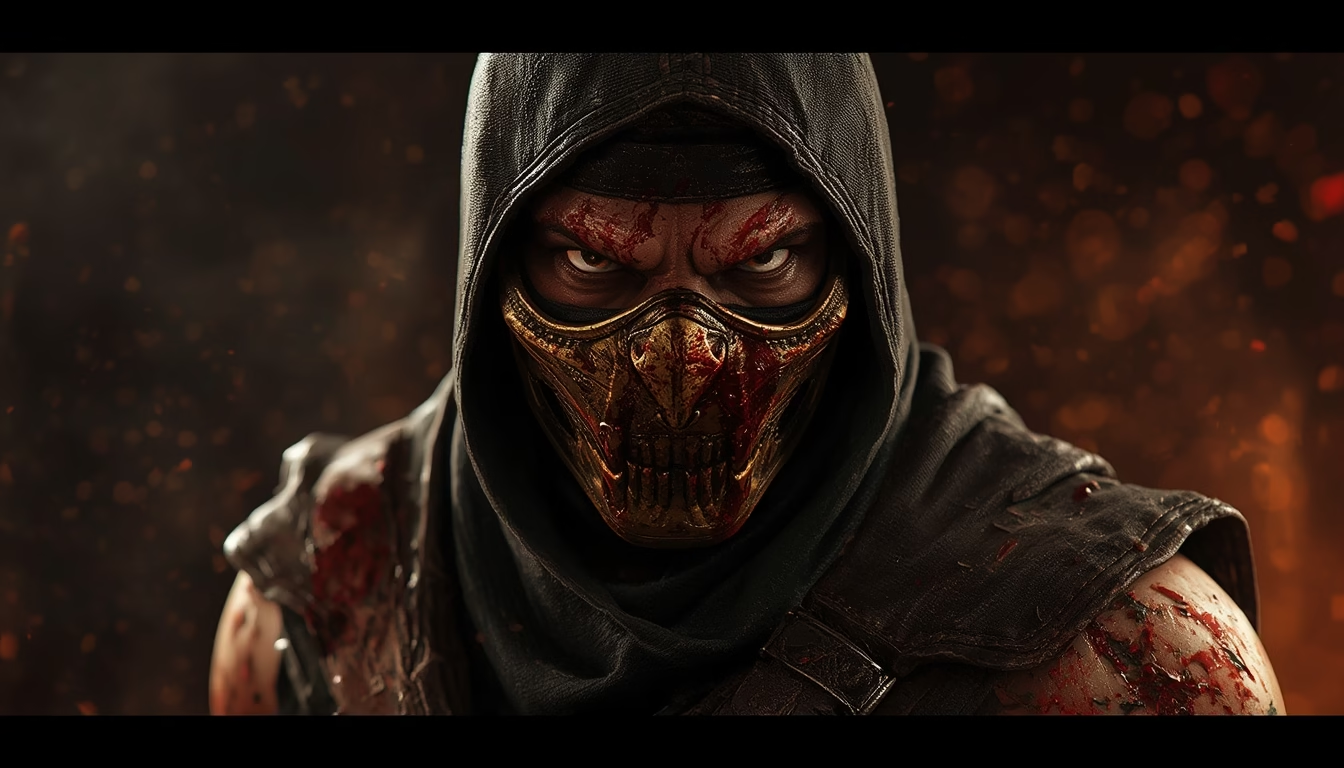
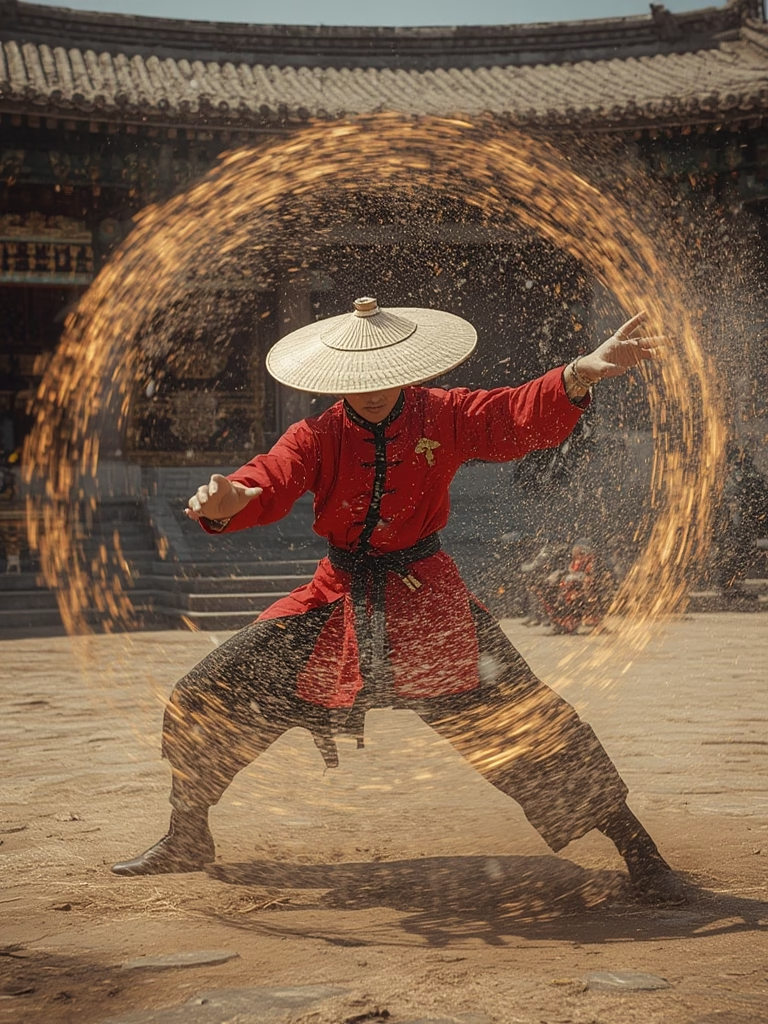
When you think of the iconic Mortal Kombat franchise, the first thing that probably comes to mind is the splash of Mortal Kombat blood that has defined its gritty, over‑the‑top style for decades. From pixelated gore on 90‑year‑old arcade cabinets to hyper‑realistic blood spatter in the latest blockbuster, the franchise has never shied away from showing the brutal consequences of a fight. In this post we’ll dive into the origins of the video game, trace its evolution into movies, spotlight the legends Scorpion, Sub‑Zero, Raiden, and Liu Kang, and break down the newest film’s storyline, action, and cultural impact.
From Arcade Cabinets to Global Phenomenon
The story begins in 1992 when Midway released the first Mortal Kombat arcade game. Designed by Ed Boon and John Tobias, the game stood out for its digitized graphics, memorable characters, and most importantly, its fatalities—finishing moves that drenched the screen in vivid, pixelated Mortal Kombat blood. The controversy surrounding that blood and the “too‑violent” content sparked a national debate, ultimately leading to the creation of the ESRB rating system.
Key Milestones in Gaming
- 1993 – Mortal Kombat II expands the roster and refines the blood effects.
- 1995 – Mortal Kombat 3 introduces new arenas and the “Kombat Kodes.”
- 1997 – Mortal Kombat 4 brings 3D graphics while keeping the signature blood splatter.
- 2011 – Mortal Kombat (9) revives the series with a modern engine, delivering hyper‑realistic blood that feels almost cinematic.
- 2023 – Mortal Kombat 1 reboots the timeline, offering next‑gen gore and a fresh take on classic characters.
Transition to the Silver Screen
The first attempt to bring the fighting world to film arrived in 1995 with Mortal Kombat, directed by Paul W.S. Anderson. While the movie received mixed reviews, it captured the essence of the games: over‑the‑top action, iconic catchphrases, and, of course, a generous amount of Mortal Kombat blood. The sequel, Mortal Kombat: Annihilation (1997), pushed the gore even further but suffered from a weak script and rushed production.
Why the Movies Matter
Both films introduced a new generation to the franchise, cementing characters like Scorpion and Sub‑Zero in pop culture. They also proved that the franchise could survive beyond the console, paving the way for future adaptations, including animated series, web shorts, and the 2021 reboot.
Iconic Characters: The Heartbeat of the Franchise
Every Mortal Kombat fan has a favorite fighter, and the four legends below are the pillars that support the entire universe.
Scorpion (Hanzo Hasashi)
Born from vengeance, Scorpion’s signature “Get over here!” spear and flaming skull mask have become synonymous with the brand. His fatality—throwing an opponent into a pit of fire—remains one of the most graphic displays of Mortal Kombat blood ever seen.
Sub‑Zero (Kuai Liang)
Representing the Lin Kuei clan, Sub‑Zero wields ice powers that contrast sharply with Scorpion’s fire. His ability to freeze opponents before shattering them creates a visual spectacle where shards of ice collide with splatters of blood, delivering a chilling yet brutal effect.
Raiden
The thunder god of Earthrealm, Raiden brings divine electricity to the arena. His lightning‑charged fatalities often result in a dazzling display of sparks and blood, reminding viewers that even gods can be messy.
Liu Kang
Often dubbed the “Chosen One,” Liu Kang’s martial arts mastery and fiery kicks make him a fan favorite. His dragon fatality, where he summons a dragon to incinerate his foe, blends mythic storytelling with a flood of bright, stylized blood.
The Latest Film: A Fresh Take on an Old Tale
The 2021 Mortal Kombat reboot, directed by Simon McQuoid, finally gave fans a movie that felt true to the games while delivering modern cinematic quality. The storyline follows a new generation of fighters—Cole, a streetwise teen; Sonya Blade, a determined Special Forces operative; and a resurrected Scorpion—who must stop the sorcerer Shang Tsung from conquering Earthrealm.
Plot Highlights
- Opening with a high‑octane tournament in the Outworld, showcasing brutal fights and plenty of Mortal Kombat blood that feels grounded rather than cartoonish.
- Scorpion’s resurrection scene, where his flaming skull emerges from a pool of blood, sets the tone for the film’s dark aesthetic.
- The climactic showdown at the Shaolin temple, where Liu Kang faces Shang Tsung in a duel that blends martial arts choreography with supernatural effects.
Action, Visuals, and Fight Choreography
One of the most praised aspects of the new movie is its fight choreography. The production hired seasoned stunt coordinators and martial artists to replicate the game’s signature moves. Each fight is a blend of:
- Realistic combat: Hand‑to‑hand strikes feel authentic, avoiding the “wire‑y” look of many fantasy movies.
- Signature fatalities: The film doesn’t shy away from the iconic finishing moves, delivering them with practical effects and CGI that make the Mortal Kombat blood look visceral yet controlled.
- Dynamic camera work: Slow‑motion moments highlight the moment a spear pierces an opponent, followed by a splash of blood that mirrors the game’s pixel‑perfect timing.
Visuals and Production Design
The movie’s color palette leans heavily on neon blues, fiery reds, and deep shadows, echoing the game’s arcade aesthetic. Set pieces like the fiery Outworld arena and the icy Sub‑Zero palace are rendered with meticulous detail, allowing the blood effects to stand out without feeling gratuitous.
Faithfulness to the Games
Fans have long debated whether a movie can truly capture the spirit of a video game. In this case, the answer is a resounding yes. The script includes classic catchphrases (“Finish Him!”), iconic character backstories, and the beloved “Test Your Might” mini‑game is cleverly referenced during a training montage. Even the soundtrack pays homage to the original arcade beats, blending them with modern orchestration.
Fan Reactions and Cultural Impact
Since its release, the film has sparked a wave of fan art, memes, and online debates. Social media platforms are flooded with clips of the most graphic fatalities, with many users applauding the realistic portrayal of Mortal Kombat blood. Critics praised the film for finally delivering a faithful adaptation, while some purists still argue that the narrative could have delved deeper into the lore.
Why It Matters
The franchise’s ability to stay relevant across three decades showcases its cultural significance. From being a staple of 90s arcade culture to influencing modern fighting games and inspiring cosplay at conventions worldwide, Mortal Kombat has become a symbol of unapologetic, high‑impact entertainment.
The Future of Mortal Kombat
Looking ahead, the franchise shows no signs of slowing down. Upcoming projects include:
- A sequel to the 2021 film, rumored to explore the origins of the Elder Gods and introduce new characters like Kitana and Mileena.
- Continued development of the Mortal Kombat 1 video game, promising even more realistic blood effects and expanded story modes.
- Potential cross‑media collaborations, such as a limited‑series on streaming platforms that could delve deeper into the backstories of fan‑favorite fighters.
With each new release, the franchise pushes the boundaries of how far Mortal Kombat blood and brutal combat can go while still delivering a compelling narrative.
Join the Conversation
If you’ve ever felt the adrenaline rush of a perfect fatality or the excitement of seeing Scorpion’s spear hit its mark, you’re part of a global community that lives for the spectacle. Share your favorite Mortal Kombat moments in the comments below—whether it’s a classic arcade kill, a memorable movie scene, or a fan‑made tribute. Let’s keep the conversation alive and celebrate the blood‑splattered legacy of one of gaming’s most iconic franchises!