
Since its first pixel‑perfect punch in 1992, the Mortal Kombat legacy has become a cultural juggernaut that bridges arcade cabinets, home consoles, blockbuster movies, and a thriving online community. What started as a controversial fighting game with digitized actors and fatal‑finish gore has morphed into a multi‑media franchise that still feels fresh, fierce, and fiercely loyal to its roots. In this post we’ll walk through the franchise’s origins, its evolution onto the silver screen, the iconic warriors who define the series, and why the latest film is both a love letter and a bold step forward.
From Arcade to Living Room: The Birth of Mortal Kombat
The original Mortal Kombat was the brainchild of Ed Boon and John Tobias, who wanted a fighting game that felt more cinematic than the pixel‑heavy titles of the early ’90s. By using real actors captured on video and a gritty, blood‑splattered aesthetic, they created a game that instantly stood out. The “Fatality” finishing moves sparked controversy, leading to the formation of the ESRB rating system, but also cemented the brand’s reputation for unapologetic intensity.
Gameplay revolved around a simple yet deep formula: choose a fighter, master a set of signature moves, and battle through the tournament to save Earthrealm from the evil sorcerer Shao Kahn. The early titles—Mortal Kombat II, III, and Deadly Alliance—expanded the roster, introduced branching storylines, and refined the combo system, turning the series into a staple of competitive gaming.
The Leap to Film: Mortal Kombat on the Big Screen
Hollywood first tried to capture the franchise’s raw energy with the 1995 Mortal Kombat movie, directed by Paul W.S. Anderson. While the budget was modest, the film’s practical effects, iconic fight scenes, and faithful recreation of the “Test Your Might” challenges won over both fans and newcomers. The sequel, Mortal Kombat: Annihilation (1997), struggled with a rushed production and uneven pacing, but it kept the franchise in the public eye.
After a two‑decade hiatus, the 2021 reboot, simply titled Mortal Kombat, arrived with a modern, R‑rated approach. Leveraging cutting‑edge CGI and a deeper understanding of the source material, the film aimed to satisfy longtime fans while attracting a new generation of viewers. The result was a visceral, blood‑soaked spectacle that sparked heated debates about fidelity versus cinematic flair.
Key Characters That Define the Legacy
Scorpion (Hanzo Hasashi)
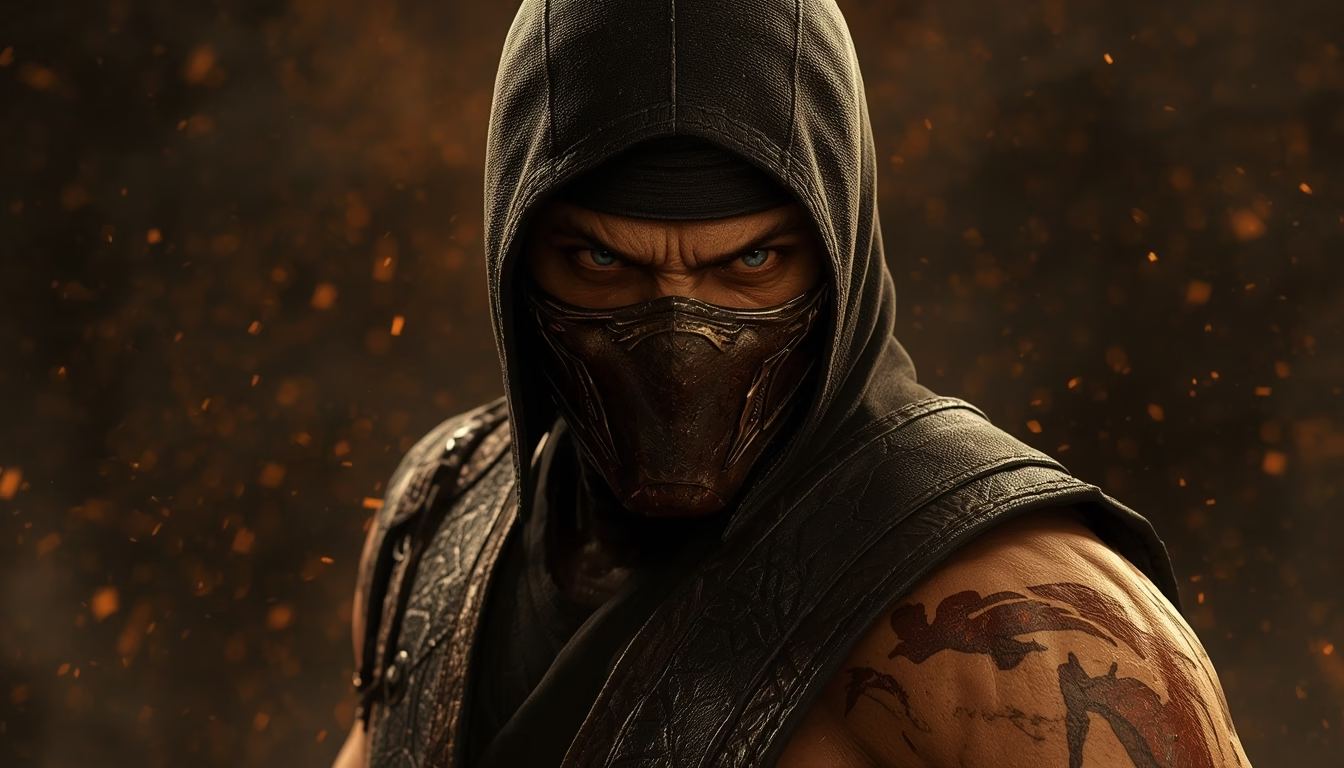
Scorpion’s signature “Get over here!” spear and flaming skull mask make him instantly recognizable. A resurrected ninja seeking vengeance for his clan’s massacre, Scorpion embodies the franchise’s blend of tragedy and relentless aggression. His rivalry with Sub‑Zero remains the emotional core of the series.
Sub‑Zero (Kuai Liang)
Unlike his original brother, the current Sub‑Zero is a disciplined Lin Kuei assassin who wields ice‑based powers. His cool demeanor and ability to freeze opponents add a strategic layer to fights, and his evolving relationship with Scorpion—from bitter enemies to uneasy allies—provides narrative depth.
Raiden
The thunder god Raiden serves as Earthrealm’s protector and mentor. His mystical staff, lightning attacks, and timeless wisdom make him a guiding force for the heroes. Raiden’s moral dilemmas—balancing divine duty with personal loss—have become a recurring theme across games and movies.
Liu Kang
Liu Kang, the Shaolin monk turned champion, is the franchise’s heroic heart. Known for his fiery dragon kick and unwavering optimism, Liu Kang’s journey from tournament fighter to the savior of multiple realms showcases the series’ epic scope.
The Latest Movie: Plot, Action, and Visuals
The 2021 Mortal Kombat film opens with a brutal “Test Your Might” competition that introduces the audience to the tournament’s stakes. When Earthrealm’s champions—Liu Kang, Kung Lao, and the newly introduced detective Cole Young—are recruited by Raiden, they must travel to the Outworld to stop Shang Tsung’s plan to merge realms.
The storyline weaves classic lore with fresh twists: Cole’s unknown lineage, the betrayal of the sorcerer Shang Tsung, and the climactic showdown between Scorpion and Sub‑Zero. The film balances character moments—Liu Kang’s heartfelt farewell to his mentor—with high‑octane set pieces, such as the arena battle in the fiery pits of Outworld.
Action and Fight Choreography
The fight choreography stands out for its hybrid approach. While CGI enhances supernatural abilities—fireballs, ice shards, and lightning bolts—the core combat relies on practical martial arts techniques. The “Kombat” sequences feel grounded, with each character’s signature move highlighted in a way that mirrors the game’s combo system. Scorpion’s spear throw and Sub‑Zero’s ice blast are executed with precise timing, giving fans a sense of familiarity while delivering cinematic thrills.
Visuals and Faithfulness to the Games
Visually, the film embraces a gritty, hyper‑real aesthetic. The Outworld landscapes echo the game’s brutalist architecture, and the costume designs honor the original sprites—Raiden’s glowing eyes, Liu Kang’s dragon tattoos, and Scorpion’s tattered ninja garb. The use of practical effects for blood and gore pays homage to the series’ infamous fatalities, ensuring that the movie feels like an extended, high‑definition version of the arcade experience.
Fan Reactions and Cultural Impact
Social media lit up with mixed reactions. Longtime fans praised the film’s dedication to iconic moves and its willingness to embrace the franchise’s violent roots. Critics, however, pointed out pacing issues and a reliance on nostalgia over original storytelling. Despite the debate, the movie sparked renewed interest in the games, leading to a surge in sales for the latest console releases and a spike in cosplay activity at conventions.
Beyond entertainment, Mortal Kombat has left an indelible mark on pop culture. Phrases like “Finish Him!” have entered everyday language, and the franchise’s distinctive visual style influences everything from fashion to music videos. The series also pioneered discussions around video game violence, shaping industry standards and public perception for decades.
The Future of Mortal Kombat: What’s Next?
Looking ahead, the franchise shows no signs of slowing down. A sequel to the 2021 film is already in development, promising to explore the aftermath of the Outworld invasion and introduce new realms such as Edenia. On the gaming front, the upcoming Mortal Kombat 1 reboot aims to reimagine the storyline while retaining the core mechanics that fans love.
Additionally, streaming platforms are rumored to be negotiating a live‑action series that could delve deeper into character backstories and the multiverse concept introduced in recent games. With e‑sports tournaments, merchandise drops, and a growing community of creators, the Mortal Kombat legacy continues to expand across mediums.
Join the Conversation
What’s your favorite Mortal Kombat moment? Whether it’s the first time you pulled off a perfect Fatality, the adrenaline rush of a tournament win, or a scene from the latest movie that left you breathless, we want to hear it. Share your stories in the comments below, and let’s keep the fire of the Kombat spirit alive together!
