
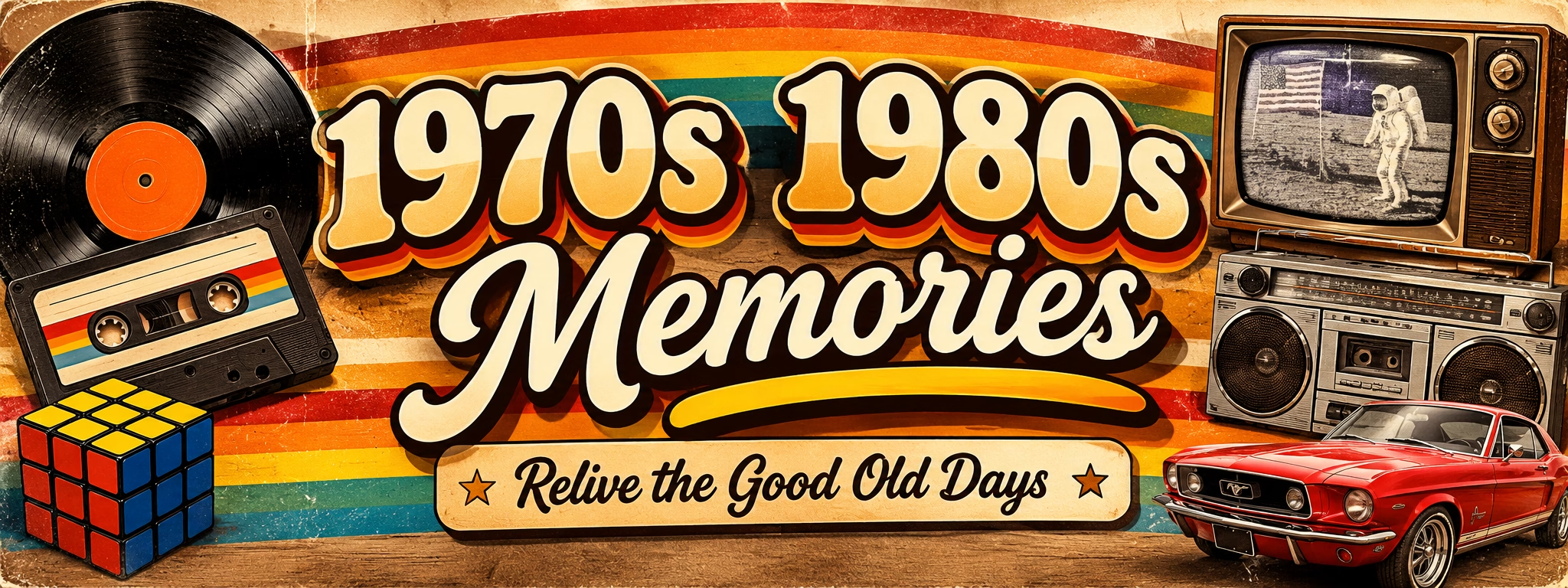
When you think of the 1970s, images of disco balls, bell‑bottom jeans, and vinyl records often come to mind, but the decade also offered a distinct flavor of family life that many now romanticize as the “good old days.” Unlike today’s digital frenzy, families of that era found joy in shared experiences, simple rituals, and a sense of community that felt almost tangible. Exploring this era reveals how the cultural, economic, and social currents of the time shaped daily routines, family relationships, and the overall sense of belonging.
Family Dynamics in the 1970s
The Central Role of the Household
In the 1970s, the home was more than a dwelling; it was a hub for nurturing relationships. The typical nuclear family—parents, children, sometimes extended relatives—relied on close daily interactions. Parents worked outside the house but returned each evening to a kitchen that served as the central gathering spot. Meals were a collective event: casseroles, stews, and the occasional pot roast filled the table, while conversations ranged from school news to political events. The family unit’s cohesion was reinforced by shared chores—washing dishes, folding laundry, and tidying the living room—activities that fostered teamwork and a sense of responsibility in children.
Respectful Authority and Shared Decision‑Making
Contrary to the perception of an authoritarian past, many families in the 1970s practiced a balanced approach to authority. Parents were respected for their experience, yet they often sought input from their children when making significant decisions, such as choosing a college or a new car. This collaborative atmosphere nurtured confidence and encouraged children to express their opinions. Parents, in turn, used storytelling—tales of their own upbringing or historical anecdotes—to impart moral lessons, building a bridge between generations that remains a treasured element in many family histories.
Domestic Life: Simpler, Yet Richer
Everyday Rituals and Community Connection
Neighborhoods in the 1970s were tightly knit. The living room’s window was a portal to a world of friendly interactions: neighbors exchanging gardening tips, children playing hopscotch, or an impromptu block party. These everyday rituals—like the weekly Sunday roast or Saturday morning church attendance—strengthened community bonds. Parents also cultivated a habit of reading together; the family would often gather around the lamp with a paperback or comic, fostering literacy while sharing laughs and surprises.
Domestic Technology: The Early Home Computer Era
Although the home didn’t yet have smartphones or tablets, it did introduce several household appliances that simplified chores. The electric oven became a staple for baking and cooking, while the first commercial washing machines and dryers started to transform laundry routines. The arrival of the color television also changed how families spent leisure time together. Even with limited channels, families gathered around the TV set to enjoy a shared program, from the wholesome “M*A*S*H” to the classic “The Brady Bunch.” These small yet meaningful technologies set the stage for future digital integration while preserving the sense of togetherness.
Entertainment & Leisure: Shared Moments
The Power of Play
Children’s play in the 1970s was largely unstructured and imaginative. Toys were often homemade or bought in small, sturdy sets—think wooden train sets or plastic dinosaurs—sparking creativity. Families would spend afternoons in the backyard or the local park, letting kids explore nature while parents relaxed on lawn chairs. Family outings, such as picnics, movie nights in the backyard, or trips to the local fair, were common ways to bond outside the home environment.
Music, Dance, and Cultural Shifts
Music was a cornerstone of the decade. From the soulful riffs of James Brown to the rebellious chords of The Ramones, the airwaves offered a soundtrack that defined youth culture. Many families found themselves dancing in living rooms, holding hands while the Beatles or the Jackson 5 spun through their playlists. These moments were not just about the music itself but about the collective experience: the feeling of belonging to a larger cultural wave that transcended generational gaps.
Education and Social Growth
School and Extracurricular Activities
The 1970s placed a significant emphasis on education, with school days often filled with a range of subjects—from mathematics to fine arts. Extracurricular activities, such as sports teams or band, were considered essential for a well‑rounded upbringing. Families proudly watched their children compete in local tournaments or perform in school plays, reinforcing a sense of achievement and community pride.
Early Feminism and Shifting Roles
While the era is sometimes remembered for its conservative family structures, it was also the period when feminist movements began reshaping the roles of women both at home and in the workforce. Women started to pursue higher education and professional careers, often balancing work and family life. This shift brought new dynamics into households, as shared responsibilities for childcare, cooking, and budgeting became increasingly common. The resulting flexibility helped modernize family structures and set a precedent for future generations.
Communication: The Rise of the Family Phone
Landline Conversations and Family Calls
Before the age of mobile phones, the family telephone was the primary mode of communication. Whether it was a neighbor’s urgent request for a borrowed lawn mower or a distant relative calling to check on the grandchildren, these calls filled the evenings with a sense of connectedness. The act of gathering around the telephone to listen and respond became a cherished family ritual, strengthening bonds across distance.
Letters, Postcards, and the Art of Written Expression
Paper communication was a treasured skill. Families would write letters to relatives, share postcards from vacations, or compose handwritten thank‑you notes. The physical act of writing and mailing a letter created a tangible memory—an object that could be kept in a scrapbook or cherished in a family album. This tangible, thoughtful communication contrasted sharply with today’s instant messaging, providing a slower, more intentional method of connection.
The Legacy of the 1970s Family Life
Values Passed Down Through Generations
The 1970s taught families to value honesty, community, and resilience. Whether through shared chores, cooperative decision‑making, or simple leisure activities, families cultivated a sense of solidarity that persisted beyond the decade. These values remain evident today, as many individuals recall their parents’ and grandparents’ stories of family meals, neighborhood gatherings, and the unbreakable bonds that emerged from collective effort.
Modern Reflections on the “Good Old Days”
In today’s fast‑paced, technology‑driven society, the notion of “the good old days” often romanticizes an era of slower, more grounded interactions. While the 1970s had its own challenges—economic fluctuations, social upheaval, and evolving gender roles—the core of family life centered around shared experiences, tangible communication, and communal support. By examining these aspects, we can better appreciate the strengths that modern families might still strive to preserve, blending past simplicity with present convenience to create a richer, more connected future.
